Is it actually worth it?
Cut through the influencer hype on any product page. We give you a straight answer from real owners and real evidence.


 Lab testsConsumer Reports, RTINGS, ATK


 Long-term reviewsOutdoorGearLab, Reviewed, NBC Select
 Recalls & safetyFDA and CPSC records
 Reddit ownersPeople who've had it for months

 Buyer reviewsWhat keeps coming up
 The label & the scienceIngredients, specs, PubMed
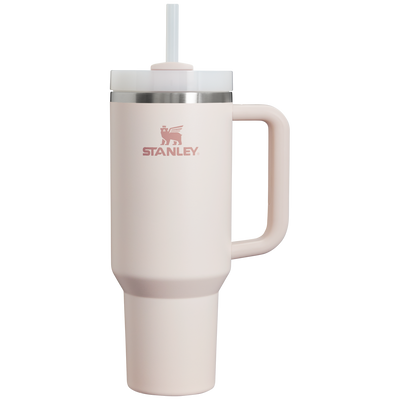
Stanley Quencher 40 oz
Worth itWon America's Test Kitchen's tumbler test. Keeps drinks cold 24 hours, fits a cup holder, about $45.
0 of 6 sources read
- Free
- No sign-up
- Private
Desktop Chrome only. On a phone, leave your email below and the link comes to your inbox.
Trending this week.
Questions people ask
Which stores does it work on?
Any https store: Amazon, Walmart, Target, Sephora, Ulta, Best Buy, and every brand's own site. The badge appears when the page sells a product.
Does it cost anything?
No. Your first 5 checks need no account, a free account gives you 5 more, and a product anyone has already checked is free to open as many times as you like. The first 20 sign-ups get free checks through December 31 (up to 50 a month): create your account in the extension with the same email and it applies on its own.
What does it read from the page?
The product's brand, name, price, ingredient or spec list, and the site's domain. Not the full page address, not the page's HTML, not your browsing history, not other sites' cookies. On a page that isn't selling something it sends nothing.
What do you actually read?
All the tabs you'd open yourself: independent tests and reviews, studies on PubMed, recall records at the CPSC and FDA, reviewers who used the product for weeks, Reddit owners who've had it for months, and the product's own listed ingredients or specs. We show what holds up, with the source next to it. Influencers, sponsored posts and the brand's own site count for nothing. Every cited page is fetched and checked, and anything dead or off-topic is dropped.
How do you decide between Worth it, Skip it and Depends?
The main promise holds up in independent tests, reviews or studies, and the price is fair for what you get.
The main promise isn't backed, there's a recall or safety action, or a cheaper product does the same job just as well.
Only when the answer really changes with who's buying. We tell you who it's worth it for and who should skip it.
Strongest evidence first: lab and measured testing (Consumer Reports, RTINGS, America's Test Kitchen), recalls and regulator findings, then reviewers who used the product for weeks, patterns across many buyer reviews, and Reddit owners who've had it for months. Influencer coverage, sponsored posts and the brand's own site don't count. We only suggest another product when it's the same quality for less, or better for the same money.
Why isn't there a recommendation on some products?
Because nothing passed the test. A recommendation needs a real price that's actually lower, and independent evidence that the quality is the same or better. When nothing qualifies we show nothing, rather than a worse product dressed up as a deal.
What about the affiliate links?
As an Amazon Associate we earn from qualifying purchases. Links that earn us something are marked in words beside them. Commission never changes what is recommended or the order.